Why does one jar of flower smell layered, fresh, and expressive, while another feels flat the moment you crack the seal?
Most shoppers get taught to look for a strain name, a THC number, and maybe whether it's labeled indica, sativa, or hybrid. That's a start, but it misses the deeper question. Who shaped this plant before it ever reached the shelf, and what botanical decisions made it worth buying?
That's where /Botanist thinking matters.
A botanist isn't just someone who likes plants. In cannabis, botanical expertise sits behind genetics, cultivation choices, harvest timing, and the details that decide whether a product feels polished or forgettable. If you've ever wondered why some brands consistently stand out, from Botanist to Alien Labs, Connected, MFNY, Ayrloom, Florist Farms, Hudson Cannabis, Rythm, Cookies, Wyld, Wana, Jetty, Kiva, Airo, Jaunty, Matter, Old Pal, LivWell, and 1937, the answer usually starts long before packaging. It starts with plant science.
Good cannabis retail should help you feel that difference, not just hear marketing words. The point of learning botany as a consumer isn't to turn you into a lab tech. It's to help you buy better flower, smarter vapes, and more intentional edibles. If you already enjoy reading about living systems beyond cannabis, this microbe guide for thriving houseplants is a useful reminder that plant quality often begins below the surface.
The Secret Ingredient Behind Top-Shelf Cannabis
Walk into any dispensary and you'll see shelves full of options that sound exciting. Runtz. Violet Fog. Red Carpet Runtz. Premium flower. Live resin. Rosin chews. Infused pre-rolls. The hard part isn't finding cannabis. The hard part is knowing why one product earns its reputation.
The answer usually isn't luck.
A great cannabis product reflects many small decisions made well. Someone selected genetics with care. Someone recognized a promising phenotype instead of chasing hype. Someone noticed whether the plant handled stress well, expressed aroma cleanly, and matured in a way that preserved what made it special. That person may not be the only one involved, but botanical expertise is often the quiet force behind the final result.
Practical rule: If a product seems premium only because of branding, you're buying design. If it smells vivid, burns cleanly, and delivers a consistent experience, you're seeing plant science at work.
That matters across categories. Flower shows it most clearly, but the same logic applies to vapes from brands like Fernway, Rove, Heavy Hitters, Stiiizy, Plug Play, Dompen, and Pax, to gummies from Camino, Gron, Incredibles, Off Hours, and Snoozy, and to concentrates from American Hash Makers, DTF Hash Co., Moonlit Hash Co, Olios, and UrbanXtracts. Better starting material usually leads to a better end product.
A botanist's influence is easiest to miss because it feels invisible when done well. You only notice it after a disappointing purchase. Dry flower. Weak aroma. Harsh smoke. Effects that feel one-note. Those problems often trace back to weak genetic choices, poor environmental control, rushed harvest, or mediocre post-harvest handling. In other words, they trace back to botany, whether anyone says that out loud or not.
What a Cannabis Botanist Really Does
What separates a flower that merely looks good from one that smells alive, burns clean, and feels true to its strain name?
A cannabis botanist helps answer that question long before the jar reaches the shelf. The job looks less like casual growing and more like plant investigation. A botanist studies how cannabis inherits traits, responds to stress, and expresses aroma, structure, and resin under specific conditions. In a dispensary, you experience the result as consistency.
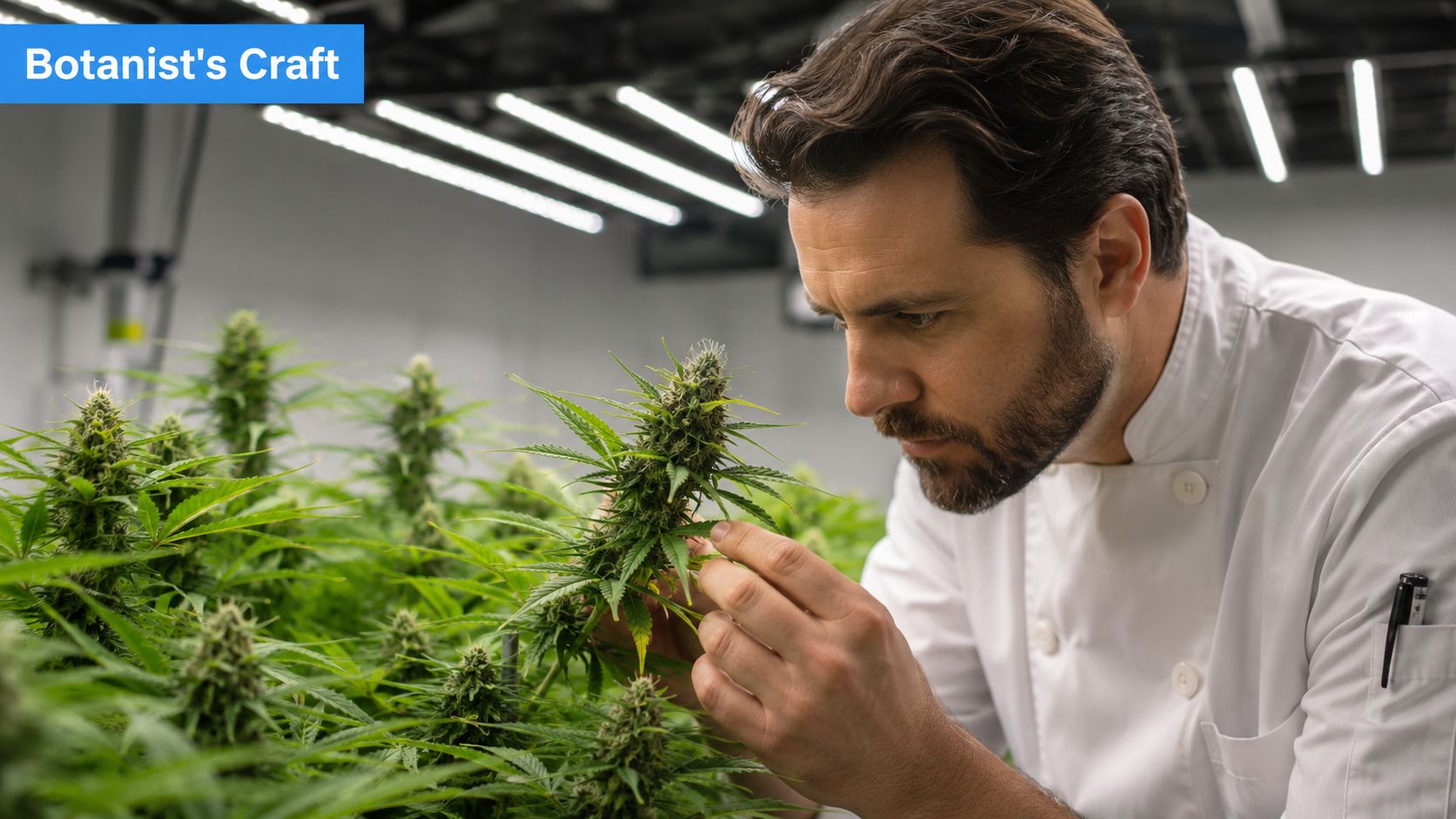
That work requires formal training. The median annual salary for a botanist was $68,539 in April 2020, according to the U.S. Department of the Interior botany career profile, and the role typically requires at least a Bachelor's degree, with advanced research positions often needing a Doctorate. That matters because it corrects a common misconception. Plant expertise is not just enthusiasm plus trial and error.
Genetics come first
A botanist starts with the plant's blueprint.
In cannabis, genetics set the range of what a cultivar can become. Growing skill still matters, but no room can turn weak genetics into memorable flower. A botanist helps evaluate which plant lines deserve space, attention, and preservation. That includes keeping healthy mother plants, tracking stable traits, and separating one-time novelty from repeat quality.
Two plants from the same family can still behave very differently. One may throw bright citrus and dense trichomes. Another may look fine but produce flat aroma and inconsistent effects. A botanist watches those differences the way a sommelier notices vineyard variation. Small changes in expression can mean a lot at the counter.
Here's what they often evaluate:
- Plant structure: Does the plant grow with spacing and form that support healthy airflow and even development?
- Aroma expression: Does it show a distinct profile early, or does it stay vague and dull?
- Stress response: Does quality hold up when conditions shift?
- Resin development: Does the plant produce the trichomes needed for standout flower, hash, or extracts?
- Repeatability: Can the same desirable result show up crop after crop?
For shoppers, this translates into a practical question for your budtender. Ask whether a strain is a reliable house favorite with stable results or a limited run that varies batch to batch. That is botanist thinking applied to buying.
They read the grow room like a plant diagnostic chart
Genetics set the ceiling. Environment decides how close the plant gets to it.
A cannabis botanist pays attention to light intensity, irrigation timing, root health, canopy shape, temperature swings, humidity, and post-harvest handling. Each factor changes how the plant expresses itself. Leaves can signal stress before potency drops. Internode spacing can hint at light problems. Aroma can weaken when drying is rushed. The plant gives clues early, and a trained observer knows how to read them.
That skill matters because cannabis quality is rarely ruined by one dramatic mistake. It is more often softened by ten small ones. A botanist helps catch those small losses before they show up as harsh smoke, muted terpenes, or flower that looks impressive but feels generic.
A short visual explainer helps show why this work goes far beyond “growing weed.”
They combine science with trained pattern recognition
Botanical knowledge is partly academic and partly observational. A published discussion in plant science describes an “extinction of botanical education” and argues that many applied plant fields now lack the contextual botanical understanding needed for good management and research, as noted in this analysis of botanical education decline. Cannabis feels that gap too.
Strong cultivation teams train people to notice morphology, developmental timing, and quality signals in concrete ways. They do not stop at strain names or THC percentages. They look at how a cultivar grows, how it finishes, and whether the final product matches the promise of its genetics.
That same mindset can make you a better shopper. If you want a stronger foundation for reading shelves and menus, this guide to understanding the different strains of cannabis gives useful language for the patterns botanists and experienced budtenders notice every day.
At the counter, the practical version is simple. Ask what this batch expressed well. Ask whether the aroma is typical for the cultivar. Ask whether the grower is known for preserving terpene character across harvests. Those questions bridge the lab and the dispensary shelf, and they usually lead to better recommendations.
How Botanical Expertise Shapes Your Favorite Strains
A strain's final personality isn't accidental. When shoppers talk about a flower feeling calm, bright, foggy, grounded, dessert-like, sharp, funky, or floral, they're responding to choices made long before the purchase.
That's why premium shelves often reward the same kinds of brands again and again. A team that understands the plant can make a cultivar feel coherent, not random.
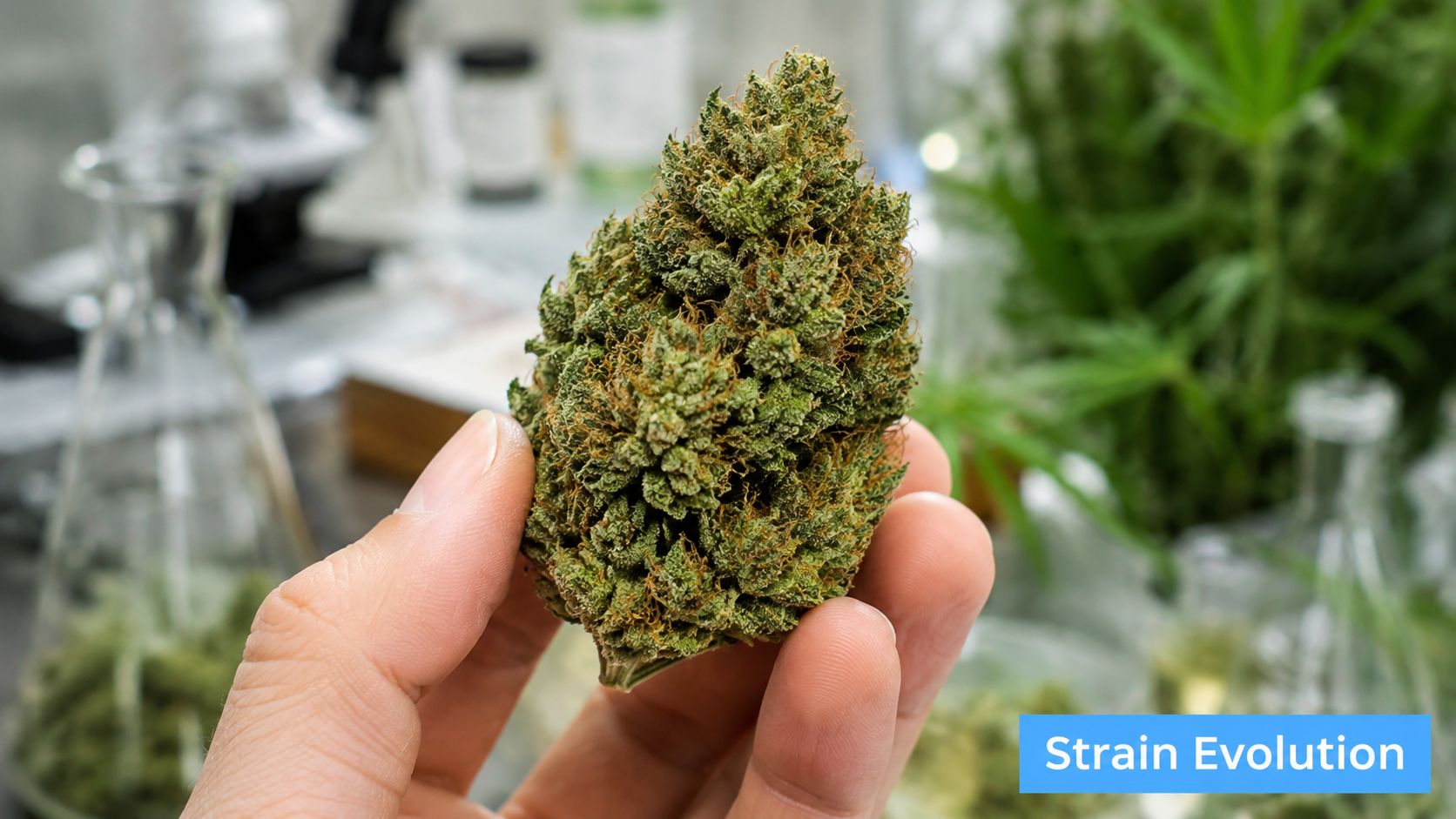
Aroma, flavor, and feel are connected
A botanist doesn't think of aroma as decoration. Aroma is a clue. It suggests how the plant developed, how well it was preserved, and whether the flower still carries the complexity it had at harvest.
That's why a strong jar tells you more than “this one is potent.” It may suggest citrus lift, creamy sweetness, gas, pepper, pine, or candy. Those impressions affect expectation, and they often shape the consumer experience in a more practical way than a single potency figure.
For shoppers who want a better foundation before buying by name alone, this guide to understanding the different strains of cannabis is a helpful companion. It gives language to patterns many people already sense but can't yet describe.
Cultivation skill preserves genetic potential
Good genetics can still produce disappointing flower if the grow team mishandles the crop. Botanical expertise helps prevent that.
A botanist pays attention to whether a cultivar wants a certain pace, structure, or handling style. Some plants need more room to breathe. Some need tighter environmental consistency. Some reward patience at the end of flower. Some lose character fast if dried or cured poorly. Premium cannabis comes from teams that recognize those differences and respond instead of forcing every cultivar into the same template.
That's one reason thoughtful cultivation language matters when evaluating brands. Brands like The Botanist offer premium New York-grown cannabis that is thoughtfully cultivated, emphasizing the care and expertise in cultivation practices that are central to the state's growing legal market, as described by Torches NYC's overview of The Botanist.
If two jars carry similar strain categories but one smells layered and one smells generic, the difference often comes from how carefully the plant's potential was protected.
Why some brands stay memorable
Shoppers often remember a product because it felt internally consistent. The aroma matched the flavor. The flower looked alive rather than sleepy. The effect didn't feel chaotic. Those are signs of curation and restraint.
You can see that logic across categories and brands:
- Flower-first reputation: Brands like Botanist, Alien Labs, Connected, Hudson Cannabis, Florist Farms, Royal Leaf, Ruby Farms, High Falls Canna, and Sticky's Weed Farms often attract attention because people expect a more deliberate cultivation story.
- Extract potential: Producers such as MFNY, American Hash Makers, MoonFlower, Moonlit Hash Co, DTF Hash Co., and Olios depend even more on strong plant material because extraction magnifies quality, but it also exposes flaws.
- Consumer consistency: Edible and vape brands like Ayrloom, Wyld, Wana, Camino, Jaunty, Jetty, and Tune | Infused Seltzers still benefit from botanical thinking because source inputs and flavor logic affect the finished experience.
The hidden lesson is simple. The shelf may look like branding, but the best products still begin as plants. A botanist helps decide which plants deserve your attention.
The Science of Quality Assurance and Lab Testing
A polished cannabis product should survive two kinds of scrutiny. It should impress the senses, and it should hold up on paper.
That second part is where quality assurance gets serious. Lab reports, harvest records, visual inspection, and contaminant screening all matter. But raw numbers don't interpret themselves. Someone has to connect the data to the plant.
Looking beyond a single headline number
Many shoppers still default to one shortcut. They look for the highest THC figure available and stop there.
A botanist reads quality more broadly. They care about the full profile, how the aroma aligns with the chemistry, whether the flower appears healthy and properly finished, and whether the product's test results make sense for what's in the jar. They're also alert to signs that the flower may be overhandled, stale, or poorly cured, even when packaging tries to suggest otherwise.
That's the difference between reading a report and understanding it.
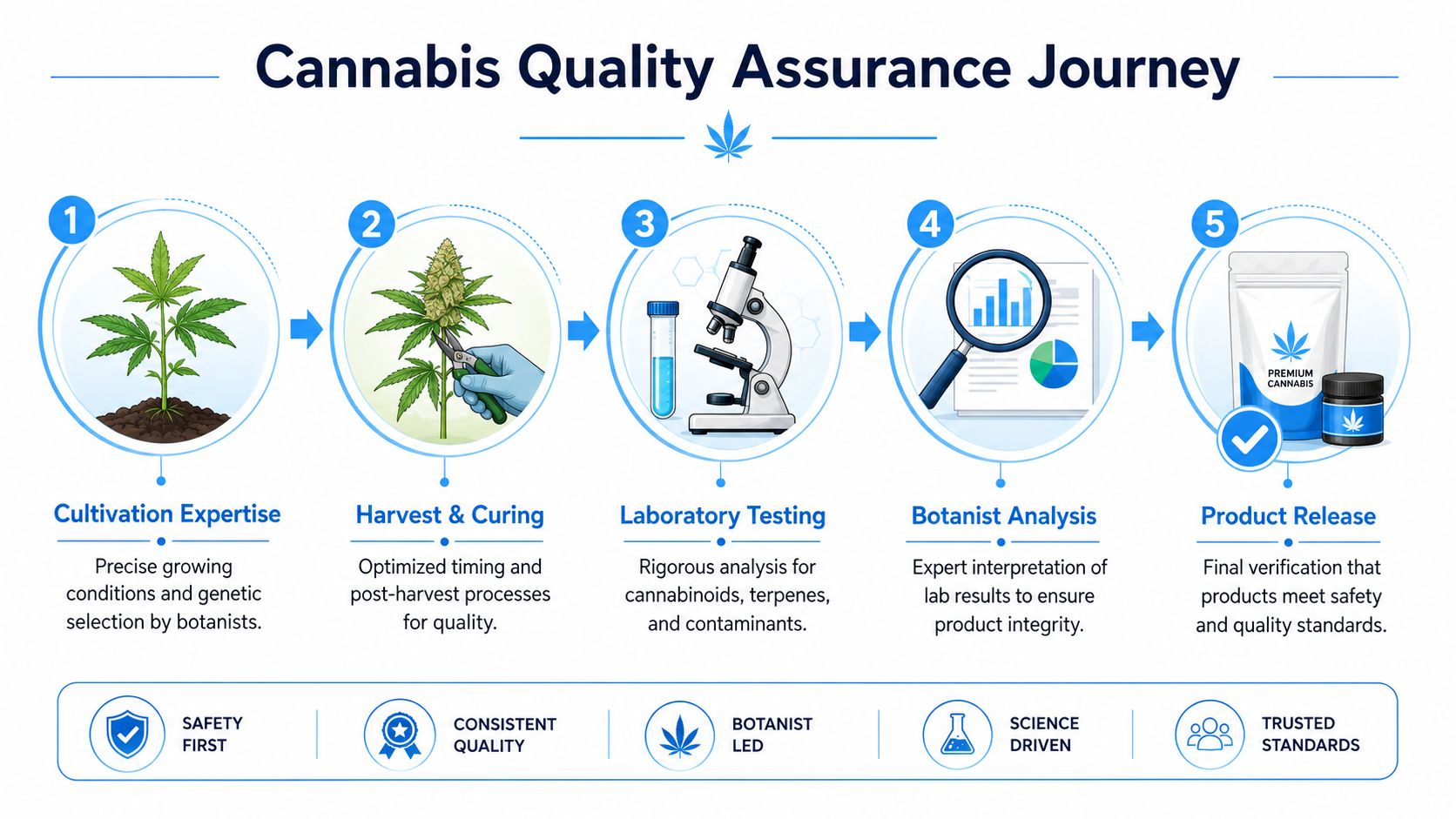
If you want a practical breakdown of what appears on a report and how to read it, this overview of a COA certificate of analysis makes the terminology easier to use in real shopping situations.
What a trained eye notices before you consume
Lab testing matters, but visual and aromatic inspection still tell you a lot. A botanist often looks for cues like these:
- Trichome presence: A healthy resin coat suggests careful cultivation and handling.
- Bud structure: Dense doesn't always mean better. The question is whether the structure fits the cultivar and looks naturally formed.
- Aroma clarity: Clean, distinct smell usually beats vague or hay-like notes.
- Moisture balance: Flower should feel properly cured, not brittle or damp.
- Overall integrity: The product should look like it was respected from harvest to packaging.
Clean cannabis should make sense from multiple angles. The look, smell, lab profile, and cultivation story should support each other.
Verification protects the shopper
Testing isn't only about chasing exciting profiles. It's about reducing avoidable risk and confirming product integrity.
That's especially important in a category where many consumers are using cannabis with a specific goal in mind. Some want better evening unwinding. Some want a clearer daytime option. Some want a format that feels measured and predictable. Whether the product is flower, a vape cart, a tincture, a concentrate, or a gummy, quality assurance protects the experience by making sure the product is both credible and clean.
A botanist helps bridge that final gap. They don't just ask, “Did this pass?” They ask, “Does this result match the plant, the process, and what the customer is being told?”
How to Shop Like a Botanist at Strong Strains
Most shoppers don't need a botany degree. They need better questions.
That shift changes everything. Instead of asking only which strain is strongest, start asking what kind of plant you're looking at and how well it was grown, finished, and preserved. That's how you move from impulse buying to informed buying.
Start with observation, not hype
A botanist usually begins with what the product reveals on its own. Before labels take over, they notice freshness, aroma identity, structure, and whether the product feels coherent.
As a shopper, you can do the same. You don't need microscope language. You just need a reliable checklist and the confidence to use it.
Here's a simple comparison you can keep in mind.
Shopping for Quality Botanist vs. Consumer
| What a Botanist Analyzes | What You Can Ask/Look For |
|---|---|
| Genetic stability and expression | Ask whether the strain has been consistent batch to batch |
| Aroma profile and plant maturity | Smell for clear notes like gas, fruit, pine, earth, or cream |
| Trichome development | Look for visible frost and a lively, resinous appearance |
| Structure and airflow suitability | Check whether buds look naturally formed, not compressed into lifeless nuggets |
| Harvest timing | Ask when it was harvested and whether it feels fresh |
| Curing quality | Notice whether the flower feels properly cured rather than dusty or wet |
| Lab profile interpretation | Ask what stands out besides THC |
| Cultivation approach | Ask how the cultivator handles quality and post-harvest care |
For newer shoppers, this beginner-friendly guide to weed basics and product choices helps translate those questions into practical buying confidence.
Ask better questions at the counter
Not every budtender conversation needs to sound technical. A few focused questions can tell you a lot:
- “What does this strain smell like to you?” A confident answer often reveals whether the staff knows the product.
- “What makes this batch stand out?” This invites useful details beyond generic potency talk.
- “Is this more about flavor, body feel, or mood?” That's often more practical than asking whether it's indica or sativa.
- “How fresh is this lot?” Freshness affects aroma, texture, and overall enjoyment.
- “Would you choose this for flower quality or for raw potency?” Those aren't always the same thing.
Use specific products as learning tools
One of the best ways to build your palate is to anchor your understanding to real products.
The Botanist's Red Carpet Runtz is a good example. It's often described as a balanced 50/50 hybrid, and users rate its potency 9/10, while also describing full-body relaxation with gentle cerebral invigoration, giving it a versatile “Swiss Army Knife” reputation, according to this consumer review of Red Carpet Runtz from The Botanist. A botanically minded shopper doesn't stop at “9/10.” They notice the balance. They ask why the strain can relax the body without flattening the headspace.
Another practical lesson comes from value perception. Shoppers sometimes assume affordable cannabis must mean lower quality, but consumer feedback around The Botanist suggests some buyers see the brand as both high-quality and affordable, including one New York sale listing of two 14g packs of Violet Fog for $100, as described in this consumer discussion about Botanist value. The takeaway isn't that every sale equals excellence. It's that quality shopping means judging the plant, not just the price tier.
The smartest cannabis shopper isn't the one who memorizes the most strain names. It's the one who can tell the difference between a strong product story and a strong plant.
Build your own shelf vocabulary
You'll shop better once you stop reducing everything to sleepy versus energetic. Build a vocabulary around what you experience:
- For aroma: candy, diesel, pine, pepper, floral, citrus, cream
- For effect shape: grounding, social, steady, expansive, quiet, heady
- For product quality: fresh, sticky, resinous, loud, muted, clean-burning
That language helps across brands, whether you're comparing Botanist with Ayrloom, MFNY, Rythm, Matter, Florist Farms, Good Green, ElectraLeaf, Hudson Cannabis, or rolling accessory brands like Raw Paper, Blazy Susan, Glass Pipes, Hand Pipe, Grinders, Brass Screens, PUFFCO, or Bic Lighter. Better words lead to better choices.
The Strong Strains Difference Expertise in Every Bud
What separates a jar you forget from a jar you come back for?
Usually, it is the plant science behind it. Cannabis makes more sense once you treat it like produce with chemistry, not a mystery item with a catchy name. The flower on the shelf reflects a chain of decisions: genetics, growing conditions, harvest timing, curing, testing, and the judgment to read what the plant is showing at each stage.
That is where the botanist connects the lab to the dispensary counter. A trained eye can explain why one batch holds a bright citrus nose while another from the same strain name smells flat. They can spot how cultivation and post-harvest handling shape flavor, consistency, and the overall feel of the experience. For shoppers, that turns vague marketing into something you can evaluate.
It changes the in-store experience, too.
If you are new to cannabis, botanical knowledge gives you a clearer starting point than hype or THC alone. If you already know your preferences, it gives you better ways to compare products across flower, vapes, and concentrates. If you shop with wellness in mind, it helps you ask smarter questions about cleanliness, consistency, and how intentionally a product was made.
A good dispensary should make that science useful. Ask what the flower smells like right now, not just what the label promises. Ask how the batch was grown and cured. Ask why a budtender would choose this lot over another with a similar THC number. Those questions bring you closer to how a botanist evaluates quality, and they often lead you to a better purchase.
If you want a dispensary experience that treats cannabis like a craft and a science, visit Strong Strains. Their East Setauket team focuses on lab-tested, handpicked products, clear guidance, and premium flower, vapes, edibles, concentrates, tinctures, topicals, and accessories for Long Island adults 21+. Whether you're shopping for pickup or local delivery, you'll get friendly help that goes beyond labels and points you toward the right fit for your next session.