
Your shoulder is tight, your knee is barking after a long walk, or a patch of skin is red and itchy enough to keep pulling your attention back to it. The first instinct is usually the same, grab a topical cream for inflammation and hope the right tube can quiet things down without turning your whole day into a medication event. That instinct isn't wrong, but the label matters, because a cream for a sore joint and a cream for irritated skin aren't doing the same job.
The simplest way to think about a topical cream for inflammation is that it's a localized tool. It goes on the skin, works near the place you applied it, and aims to spare the rest of your body from unnecessary exposure. Cleveland Clinic describes topical anti-inflammatory cream as something absorbed through the skin into the underlying tissues and joints, which is why it's used for pinpoint areas like joints, muscles, and connective tissues rather than whole-body inflammation (Cleveland Clinic's guide to anti-inflammatory cream).
That local focus matters because inflammation can live in very different places. A sore knee after pickleball, a tendon flare, and eczema on the inside of an elbow may all feel inflamed, but they don't respond to the same ingredient class. If you want a plain-language refresher on lifestyle support for swelling and soreness, MedEq Fitness has a useful inflammation guide that fits nicely alongside the medical basics here.

Think of a topical like a flashlight aimed at one wall. A pill is more like turning on every light in the house. For localized inflammation, that difference is the whole point.
How a Topical Cream for Inflammation Works
A lot of shoppers ask for an anti-inflammatory cream when what they really mean is, “I need this pain or rash to calm down, and I don't want to take a pill if I don't have to.” That goal makes sense, but the cream only helps when the problem sits close enough to the skin for the active ingredient to reach it. Location is the first filter.
Local action, not whole-body coverage
For musculoskeletal inflammation, the strongest evidence is for topical NSAIDs such as diclofenac and ketoprofen. A Cochrane review of chronic musculoskeletal pain found that they reduced pain in a meaningful share of people with osteoarthritis over several weeks, with modest but real gains and better outcomes than placebo. In the same evidence base, topical NSAIDs also outperformed placebo across many trials, which is why they remain a practical option for a painful knee, shoulder, tendon, or lower back area that needs a local approach (Cochrane review).
That does not make them magic. It does make them worth a close look when the pain is in a joint, tendon, or muscle and you want to keep treatment local. A simple way to frame it is this.
Practical rule: if the problem feels buried under the skin, a targeted topical may fit. If the problem is on the skin, the ingredient class changes.
Why the category confuses people
The phrase “topical cream for inflammation” gets used for two different product families. One group is for joint and muscle pain, the other is for skin inflammation like eczema or dermatitis. They can sit side by side on a shelf and still be wrong for each other's job.
For a Long Island shopper who just finished a gym session or a long day of lifting boxes, that difference matters. A cream for a sore shoulder, an arthritic knee, and an itchy patch on the forearm should not be chosen the same way. The tissue type decides the ingredient, and the ingredient decides whether the product is worth trying.
Cannabis topicals add another layer here. A THC or CBD balm may feel soothing, but the reason it gets chosen should match the problem, the same way a menthol rub and a steroid cream are not interchangeable. That is also why a broad wellness guide, like the MedEq Fitness guide to inflammation, can help people sort general lifestyle support from the more specific choice of a topical product.
How Topical Anti-Inflammatory Ingredients Reach the Tissue
A sore knee after a long walk on Long Island and a red, itchy patch on the forearm may both end up labeled “inflammation,” but they do not travel the same route under the skin. The outer layer, the stratum corneum, acts like a gatekeeper, and every topical has to get through it before it can do work below the surface. That is why some products feel soothing right away yet do little beyond that, while others have a more measurable effect.
The delivery path matters as much as the ingredient
For NSAID-based creams, the goal is local inhibition of cyclooxygenase, especially COX-2, which helps reduce prostaglandin synthesis at or near the application site with relatively little systemic uptake compared with oral therapy (mechanism overview). In plain English, the cream is trying to quiet the chemical signals that keep pain and inflammation active right where you apply it.
That local approach is part of why a topical can make sense for a knee that aches after a pickup game, an elbow that has been overworked, or a tendon that feels irritated but still close to the surface. It is also why the result depends on whether the inflammation is sitting in muscle, tendon, or joint tissue, versus living in the skin itself.
For corticosteroid creams, the path is different. They bind glucocorticoid receptors and alter gene transcription, which lowers inflammatory mediators such as IL-1β, IL-6, IL-8, COX-2, and iNOS (corticosteroid mechanism). That is a stronger immune reset than a surface-soothing product, which is why steroid creams are a standard tool for inflammatory skin disease and a poor match for routine sore-muscle use.
Where topicals shine
Topicals work best when the target sits close enough to the skin for local delivery to matter. That includes periarticular and intracapsular inflammation, where the medication can reach nearby structures without relying on high blood levels. Vehicle choice matters too. Ointments, creams, lotions, gels, foams, oils, and solutions do not behave the same way, because texture changes penetration and local effect.
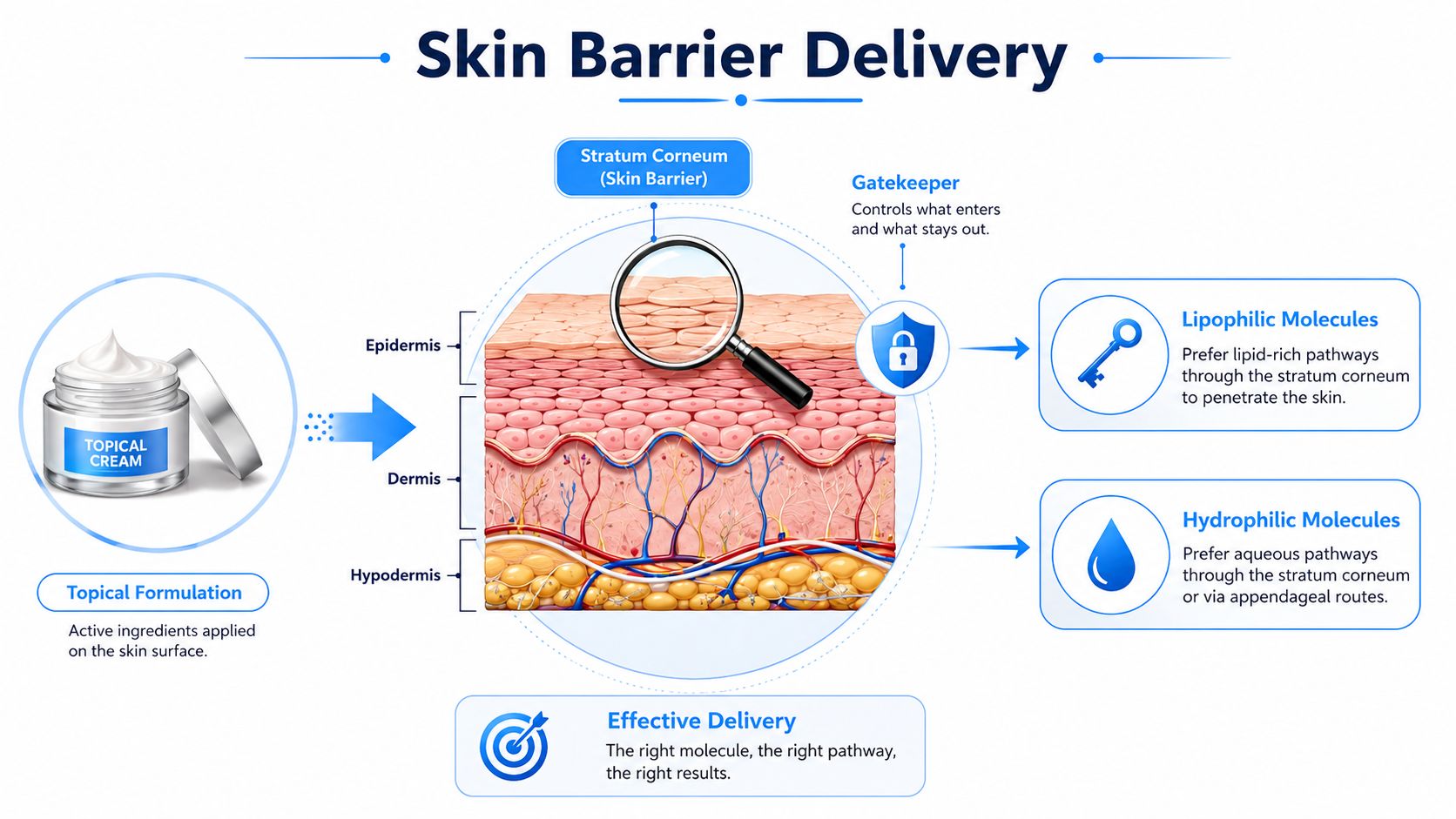
A handy way to read the shelf is to separate the problem first. A balm for a stiff joint, a steroid cream for a flare on the skin, and a cannabis topical chosen for comfort are all in the topical category, but they are not solving the same problem. For eczema-specific skin care, trusted picks for eczema relief belong in the skin-inflammation lane, not the sore-knee lane.
A useful analogy is a courier passing a checkpoint. The jar is not the medicine yet. The medicine only matters if the carrier gets across the skin barrier and lands near the inflamed tissue.
Common Active Ingredients and What Each One Targets
The label is where the buying decision starts. A lot of confusion clears up once you sort ingredients by job rather than by marketing language.
Quick match guide
| Ingredient class | Best for | Key limitation |
|---|---|---|
| Topical NSAIDs like diclofenac, ketoprofen | Joint, tendon, and muscle pain with localized inflammation | Modest benefit for chronic pain, not a universal fix |
| Topical corticosteroids | Eczema, dermatitis, insect bites, other inflammatory skin flares | Not for routine use on sore muscles or broad unsupervised use |
| Menthol and counterirritants | Short-term cooling or warming sensation for sore areas | Sensation relief isn't the same as true anti-inflammatory action |
| Capsaicin | Certain nerve-sensitive pain patterns and recurring localized soreness | Can sting, and it takes patience |
| Lidocaine | Temporary numbing of a painful patch | Numbs pain, doesn't treat the inflammation itself |
| Cannabis-derived topicals | Wellness-focused localized comfort, often combined with other ingredients | Label quality varies, and evidence is still developing |
What each one feels like
Topical NSAIDs are the most evidence-backed choice for musculoskeletal pain. They fit a sore knee, a sprained ankle, or an overworked elbow, especially when you want a local option and want to avoid oral NSAIDs. That is why the category keeps showing up in pharmacy aisles and in clinical discussions, even though the effect is usually measured and not dramatic.
Topical corticosteroids belong in the skin-inflammation lane. They do not belong on a tennis elbow just because the word “inflammation” is on the tube. Their job is to calm immune activity in the skin, so they make sense for eczema, dermatitis, and similar flares.
Menthol and capsaicin are often mistaken for direct anti-inflammatory drugs, but they mostly change how the area feels. That still has value. Menthol gives a cooling or warming sensation, while capsaicin can shift pain signaling over time if someone is patient with it. Lidocaine follows the same logic, it numbs the spot so the pain signal is quieter.
For cannabis topicals, the appeal is local comfort with a botanical angle. They sit in the same topical conversation, but they are a separate product family with separate buying rules, which matters when you are comparing labels in a dispensary or a wellness aisle. The ingredient list matters more than the front label, because some formulas pair cannabinoids with menthol, botanicals, or other skin-care ingredients that change how the product feels and where it fits best.
Musculoskeletal Inflammation vs Skin-Based Inflammation
The biggest buying mistake is using the right product class for the wrong kind of inflammation. A sore knee and an itchy rash may both be red, irritated, and annoying, but they live in different layers and need different ingredients.
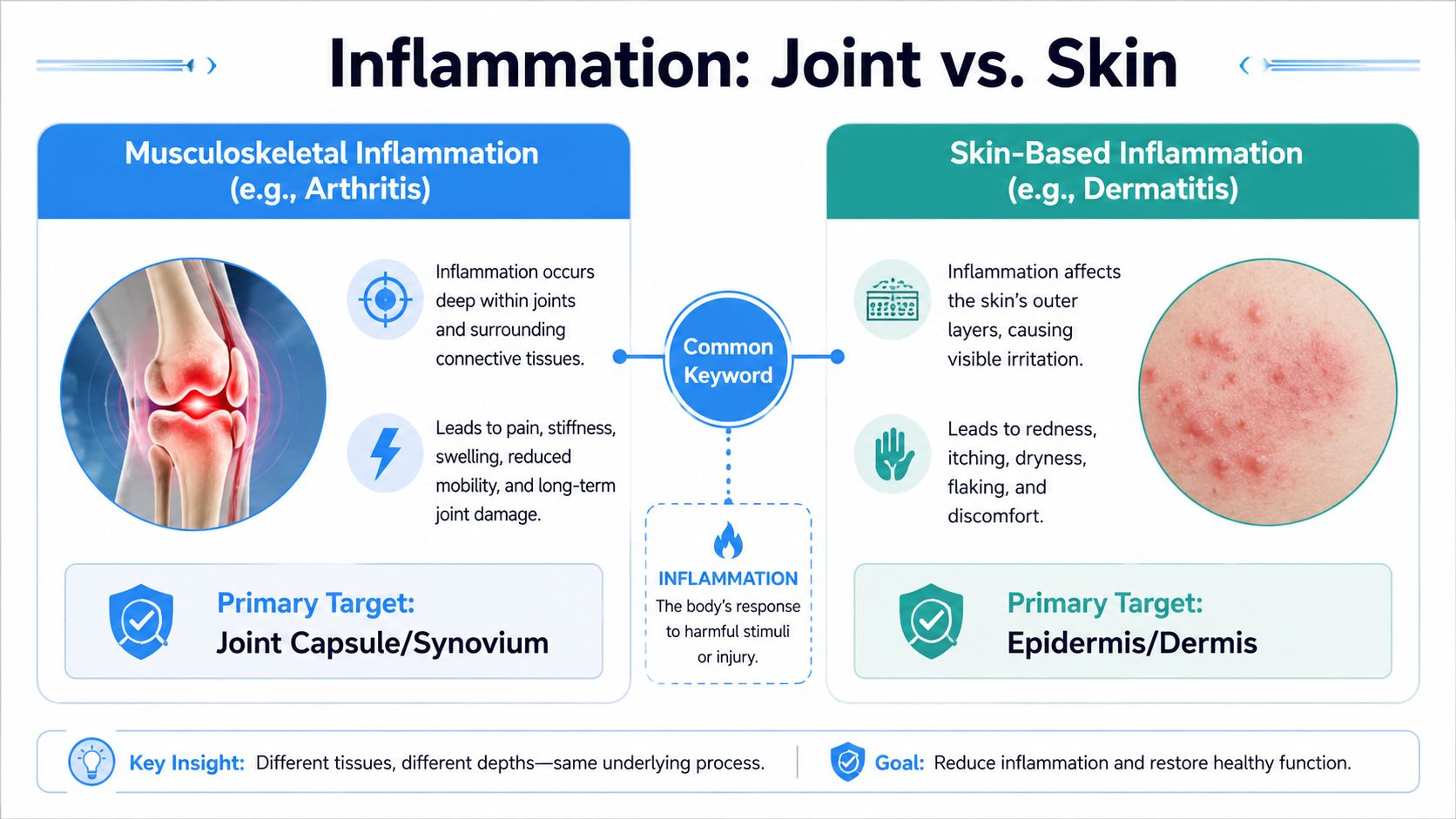
Two different targets, two different tools
A musculoskeletal issue usually lives in joints, muscles, tendons, or nearby connective tissue. That's where topical NSAIDs make sense, because they're built for localized pain and swelling. If you gardened all Saturday and your knee is now grumpy, diclofenac gel belongs in the conversation.
A skin-based issue sits on or very close to the skin surface. Eczema, contact dermatitis, and many itchy bites are more of a skin-barrier and immune-signaling problem, which is why corticosteroid creams and other skin-focused topicals are the standard discussion. If a child has a bug bite, the right answer is usually not an arthritis rub.
A simple decision filter
Before you buy, ask three questions.
- Where is it? Joint, tendon, muscle, or skin.
- How deep does it feel? Under the skin or on the skin.
- How long has it been there? Short flare, repeated flare, or ongoing issue.
That last question matters because persistent or recurring symptoms deserve a diagnosis, not just another tube. For a deeper eczema-focused buying checklist, trusted picks for eczema relief are useful as a product-style comparison, especially if the problem is itchy, dry, or barrier-related rather than deep and achy.
A cream that calms a knee can irritate a rash, and a steroid that helps eczema won't fix tendon pain.
How to Apply a Topical Cream the Right Way
A good topical cream for inflammation can still underperform if it gets used like hand lotion. Application is part of the treatment, and people often waste product by rubbing on too much, using it at the wrong time, or putting it on the wrong kind of inflammation.
Use enough, then stop
Start with the label instructions. If the product gives fingertip-unit guidance, follow that. If it doesn't, start with the smallest amount needed to cover the area in a thin layer. More product does not mean more benefit, and with ingredients like menthol or capsaicin, extra cream usually means more burning or stinging.
Apply it to clean, dry skin. Don't put a topical on right before you're going to sweat, and don't layer another active on top of it unless a clinician told you to. Heating pads and occlusive wraps can change absorption, so they are not a casual add-on unless the label specifically allows them.
For a sore knee, the right amount should feel like a light film, not a thick coat. For a flaky patch of skin, the goal is still a thin, even layer, because piling on product rarely helps the skin barrier or the surrounding tissue.
Keep the routine simple
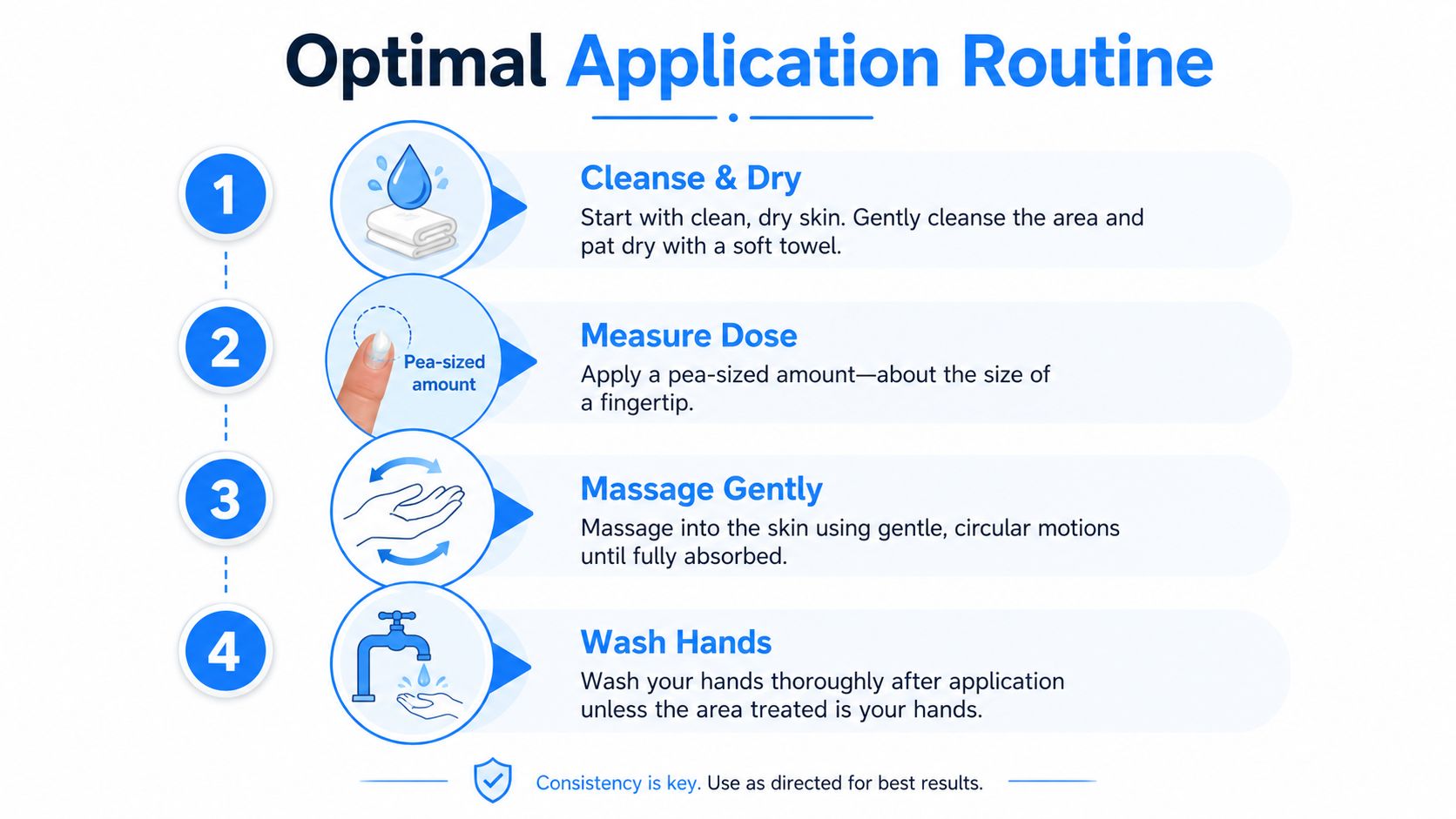
- Cleanse and dry the area.
- Measure a small amount.
- Massage gently into the target spot.
- Wash your hands unless the hands are the area being treated.
A patch test is smart for any new product, especially cannabis topicals that may include essential oils, menthol, or other added ingredients. A little stinging can happen with some actives, but a rash that spreads or gets worse is a different story.
Timing matters too. Acute pain relief can begin within hours and become measurable within 3 days for topical NSAIDs (acute pain review). For arthritis relief, topical diclofenac is more of a 6 to 12 week conversation than a one-night fix, and the same general slow-build idea applies to many joint creams that are meant for repeated use. If you are comparing a cannabis-focused option, a product like Ayrloom Revive THC and CBD topical cream fits into the same local-use logic, where consistency and the right target area matter more than heavy application.
Safety, Side Effects, and When to Stop Self-Treating
Topicals often feel gentler than pills, and many are. That still leaves room for irritation, overuse, and the mistake of treating the same flare without ever identifying the cause.
What safety really looks like
Topical NSAIDs usually carry less stomach-related risk than oral NSAIDs, which is one reason they are often chosen for localized pain. A safety review found no significant rise in serious systemic harms compared with placebo, while gastrointestinal adverse events were lower with topical treatment, and local skin reactions still showed up in some users (topical NSAID safety review). The practical takeaway is simple, a cream can be easier on the body as a whole while still being rough on the skin where it is applied.
That local reaction pattern explains a common mix-up. A sore patch may seem “unresponsive” when the primary problem is that the skin does not tolerate the formula well, especially if the product has menthol, essential oils, or stronger actives layered on top of one another. For a cannabis topical such as Canna-Clinicals, the same rule applies, the label ingredients and the skin's reaction matter as much as the brand name.
When to stop and get checked
Long-term use of strong corticosteroid creams can thin the skin, so they are not something to keep reaching for without a reason. The trouble usually starts when a flare keeps returning in the same spot and the person keeps treating it instead of asking why it is there.
Stop self-treating and get medical advice if you notice any of these:
- Spreading redness or warmth
- Blistering or broken skin that gets worse
- Signs of infection
- Pain that gets worse after two weeks of correct use
If you use blood thinners, have broken skin, or are layering multiple products on the same area, ask a clinician before using NSAID or steroid topicals. It also helps to keep topical NSAIDs separate from other NSAID use unless a clinician has said otherwise. If you are sorting out whether a back ache belongs in self-care or in a broader plan, MedAmerica Rehab Center back pain tips is a useful companion read.
Cannabis Topicals and How to Buy Them Locally
Cannabis topicals sit in the same conversation because shoppers use them the same way, they want localized comfort without turning the whole afternoon into a dosing project. Many don't want a head high from a shoulder cream, and that's part of why these products are appealing. They're usually used as local wellness products, often alongside menthol, warming agents, or other familiar topical ingredients.
What to look for on the label
A good cannabis topical should tell you more than just the brand name. Look for third-party lab testing, a clear cannabinoid breakdown, the carrier oil base, and an actual mg-per-jar or similar dosing statement. If the label is vague, you're guessing.
Cannabis creams and salves can be found in familiar names like Head & Heal, Papa & Barkley, and Ayrloom, and some formulas mix cannabinoids with menthol-forward or cooling ingredients to create a hybrid feel. The product mix matters because a cooling sensation can be comforting even when the deeper effect is mild.
At Strong Strains in East Setauket, customers can compare topical formats with a budtender, ask about intended use, and choose between in-store pickup and local delivery. If you're comparing a THC-CBD blend against a more traditional pain rub, a licensed dispensary setting makes it easier to ask the questions that matter before you spend money. For a topical example, the Ayrloom Revive 1:1 Topical is listed here for local shoppers who want a cannabis cream option with a clear product page: Ayrloom topical product listing.
Cannabis topicals can complement a broader routine, but they don't replace a real diagnosis when the pain or rash keeps returning.
Choosing the Right Topical and Knowing When to Ask for Help
A sore knee, a flushed patch of skin, and a stiff lower back can all look like “inflammation,” but they do not call for the same topical. Start by identifying whether the problem is musculoskeletal or skin-based, then match the ingredient class to that target, then give the product enough time to do its job. A cream that is meant to calm an irritated patch on the surface is not the same tool as a rub aimed at deeper aches in a joint or muscle.
The next question is how the topical fits into the rest of the routine. Rest, heat or cold, and any other medications all change the picture, especially when more than one product is being used on the same area. A menthol gel, a cannabinoid balm, and an oral pain reliever can each affect comfort in different ways, but stacking them without a plan can make it hard to tell what is helping and what is just adding another layer.
For back pain specifically, MedAmerica Rehab Center back pain tips are a useful reminder that relief ointments work best as part of a broader approach, not as the whole answer. The same idea applies to recurring skin flare-ups, because a tube can quiet a patch without explaining why it keeps returning. If the same area keeps lighting up, the topical may be doing its part while the underlying trigger still needs attention.
A few mistakes come up over and over. People put steroid cream on a sprain, use a menthol product on broken skin, or chase a stronger cannabinoid number when the formula itself may be the bigger issue. A topical cream for inflammation is a tool, and tools work only when they match the problem in front of you.
Cannabis topicals fit into that decision the same way other products do. Some formulas are built more like a muscle rub, while others are aimed at comfort on the skin itself, and a local shopper can compare those options with help from Papa & Barkley topical products or similar cannabis brands at a licensed dispensary. If you want help sorting through muscle-pain formulas, skin-focused products, and cannabis topicals in person, Strong Strains can walk you through the differences without guesswork. Bring the problem, not just the symptom, and you are more likely to leave with a topical that fits what is inflamed.